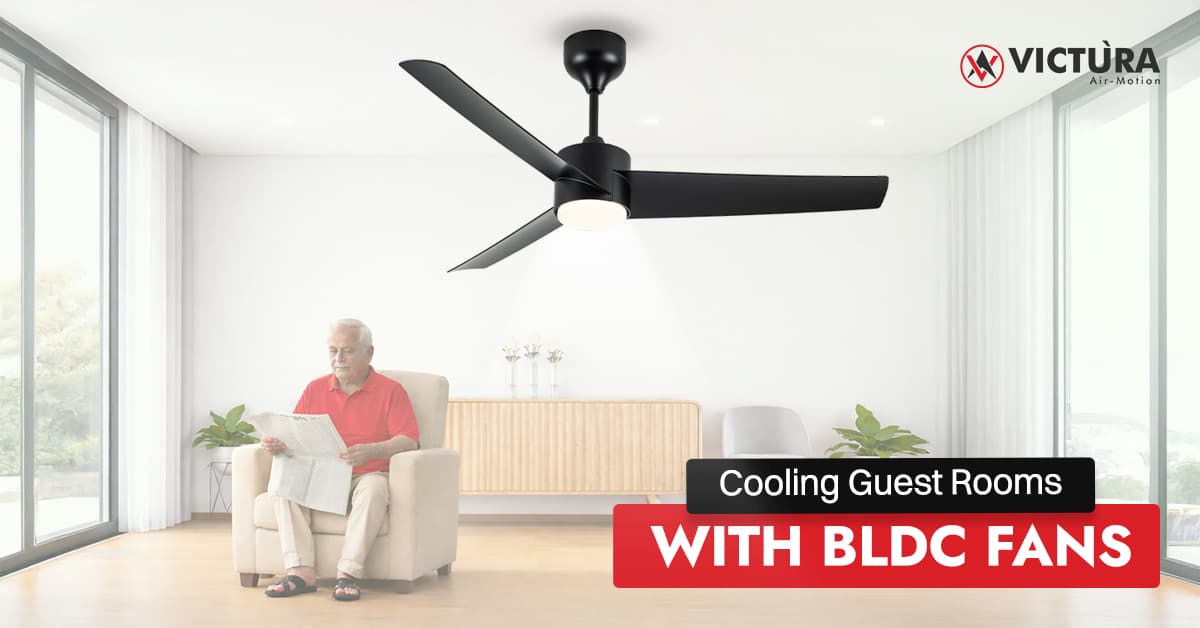
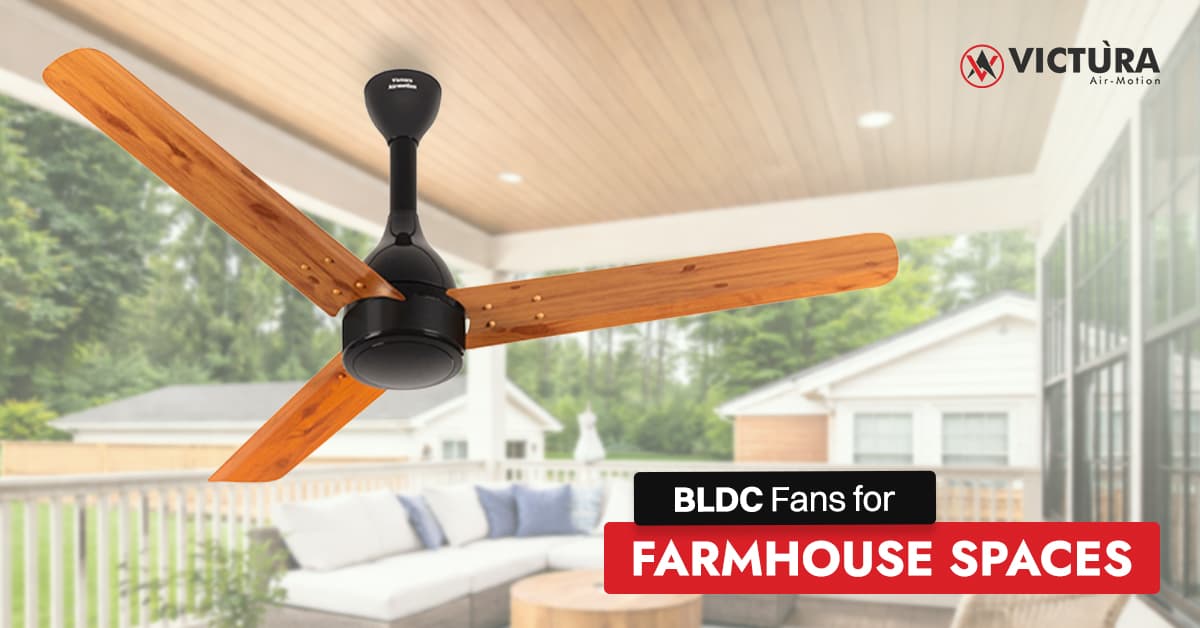
Today's homebuyers want integrated smart technologies more and more, and during a showing, an aesthetically pleasing BLDC ceiling fan can be an obvious selling point.
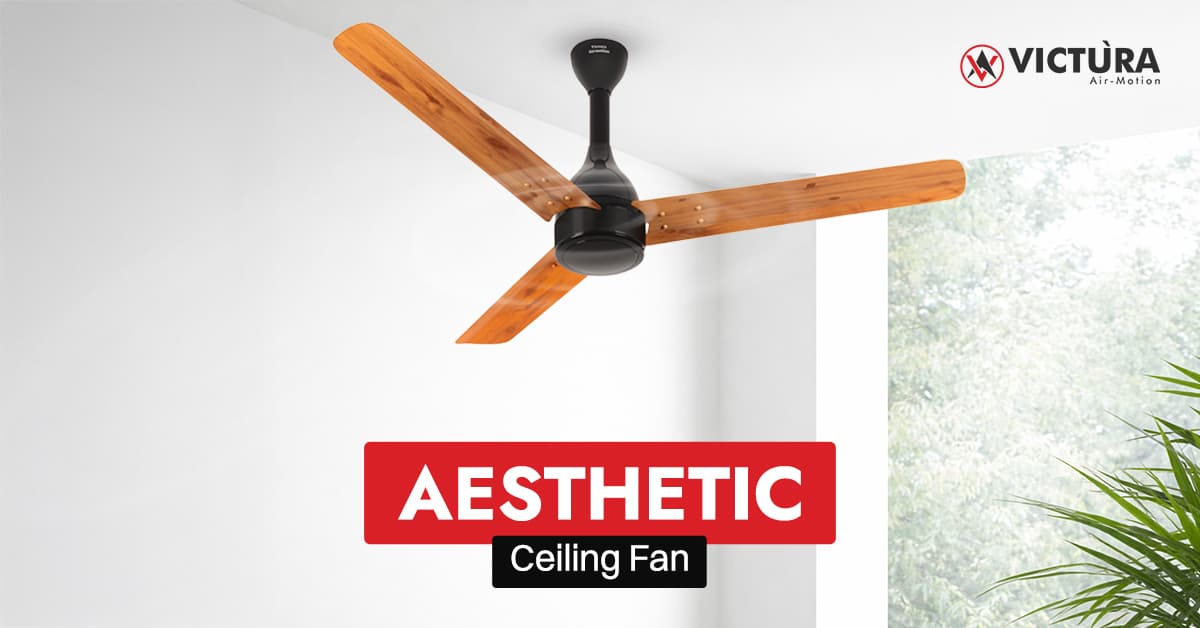
The times have gone when a ceiling fan was just a big, clumsy, and noisy thing that was a necessary evil and thus hidden in plain sight.
The fan has completely changed its face in 2025, becoming a high-tech device that beautifully combines quiet performance with the beauty of a high-end building.
Welcome to the age of the BLDC (Brushless Direct Current) fans, the silent but wonderful, power-efficient ones that are changing the look of our interiors.
Selecting a fan that embraces both visual grace and operational efficiency, you turn your ceiling from an unoccupied area to a practical work of art. Let's see how the BLDC technology is giving our homes an unprecedentedly cool look.
Look at those big and noisy metal fans of the 20th century. They did the job, sure, but the constant sound of the blades and the limited three-speed levels left much to be desired.
That mechanical era relied on induction motors, workhorses that guzzled power and generated significant heat. Everything changed with the smart shift toward BLDC technology. This move essentially gave the fan a “brain.”
No more using the old-style brushes, which were responsible for friction and noise, engineers designed a new motor that works on a permanent magnet system. It was not only the motor that underwent this evolution.
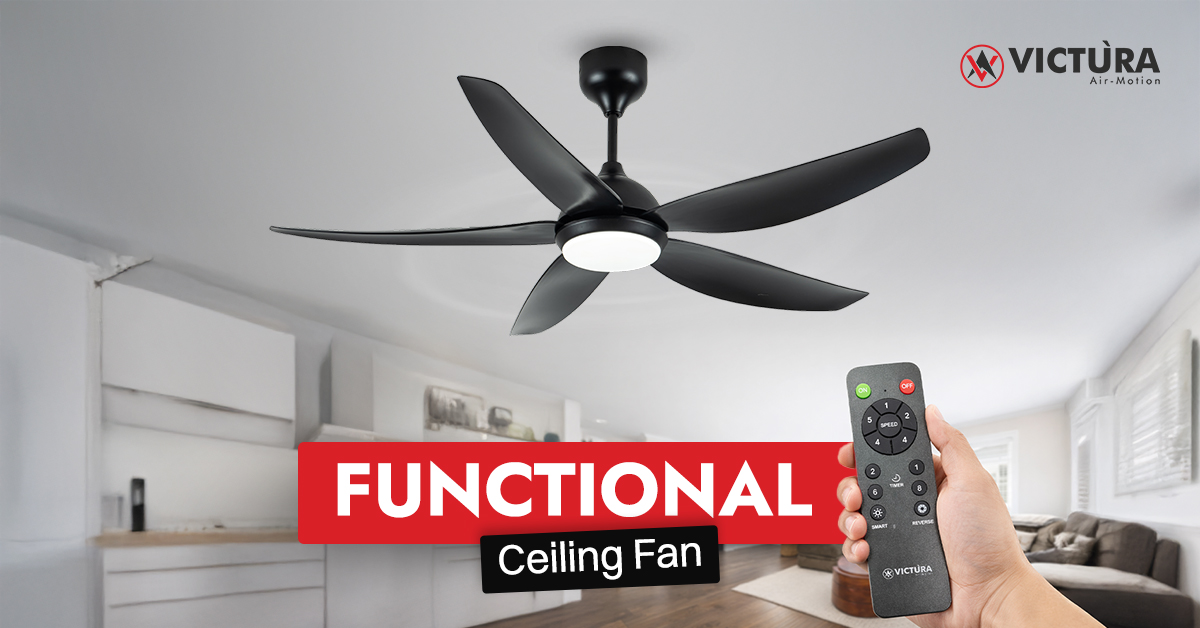
Instead of the same old wall regulators, control moved to elegant remotes, which change the speed from anywhere in the room. It is a complete leap from basic utility to intelligent comfort.
A fan should never be an eyesore, considering it’s the focal point of rooms. These days, contemporary designers see the ceiling at last and they come up with the idea of delicate artworks like the light fixtures.
A ceiling fan that fits your style is available, no matter if your house is Scandinavian minimalist, sturdy industrial loft or warm and soft Mid-Century Modern.
The skillful handling of materials is the game played in the modern world. You can find blades crafted from hand-carved paulownia wood, finished in matte charcoal, or even brushed champagne gold.
Beyond just colors, the silhouettes have changed. "Hugger" designs sit flush against low ceilings to keep a room feeling spacious, while aerodynamically hidden motors eliminate the bulky "can" look. These fans don't just sit in a room; they complete it.
Beauty is great, but a fan has to move air. BLDC motors are very much superior in this regard as they give the same torque all the time.
In other words, the fan can start in no time at all and rotate in a constant, smooth way, without the wobbling or humming that older models usually produce.
This power that does not make any noise at all is probably the main feature that sells the product so well. You are receiving a very high airflow measured in CMM (Cubic Metres per Minute), but the motor is almost completely silent. This is an acoustic luxury.
With smart airflow features like "Reverse Mode" that not only blow the air down but also help to circulate the warm air that is trapped in the house during the winter, the fixture becomes usable all year round.
Some models even come with a "Nature Breeze" mode that mimics the sensation of a natural outdoor wind by changing the speed randomly.
The decision to install a premium fan is a bright financial choice. Today's homebuyers want integrated smart technologies more and more, and during a showing, an aesthetically pleasing BLDC fan can be an obvious selling point. It shows that the house is modern and taken care of.
Consider these items as "ceiling jewellery". A stylish fan raises the perceived value of a living room or master's bedroom immediately.
In addition, the reduced energy consumption is a great selling point. The possibility of presenting a house as "energy-efficient" just because all rooms are fitted with low-wattage lights would add a layer of modern charm that traditional homes often do not possess.
Investing in quality means wanting something that lasts. New-age fans use high-grade components designed to handle the wear and tear of 24/7 operation without breaking a sweat.
The internal electronics are shielded against voltage fluctuations, preventing the common "motor burn-out" seen in cheaper alternatives.
Maintenance is also a breeze. Many modern blades come with specialized anti-dust nano-paint coatings. This implies that dust really has a hard time attaching to the surface, so cleaning becomes an infrequent task instead of a weekly necessity.
When you add moisture-resistant finishes to this, ideal for coastal humidity or covered patios and extended warranties that frequently last five years or longer, then you have an "install and forget" peace of mind.
Switching to BLDC ceiling fans is more than just a technology trend; it is an essential improvement to your quality of life.
This new class of fans has come up with the right mix of form and function whether you are after a 65% reduction in your electricity bill or a statement piece that can compete with a designer chandelier.
You can have the lowest utility bill without compromising on style or putting up with a noisy motor for the sake of airflow. In the current house, the air you inhale must be as classy as the room you occupy. So, choose Victura Airmotion for your home.
Right now, they’re shaping up as key pieces in room decor. Gone is the old idea of flimsy plastic; instead, rich woods and smooth metals define today’s look. These aren’t just functional; they’ve become something people want, even hunt for, inside the latest homes.
Right now, ceiling fans lean into smart simplicity. Think quiet motors paired with built-in lights you can tone down whenever needed. Control shifts from wall switches to remotes instead. Design favors slim builds, ones that hug the ceiling without gaps. Brushless tech powers most of these new models without making a sound.
A fresh look begins by picking a fan whose finish echoes nearby fixtures; maybe its housing mirrors the shade of your closet knobs. Try wooden blades if you want something cozy, something with grain and quiet character. Ditch the oversized lighting attachment; swap it for a thin LED setup built right into the body. That change alone sharpens everything.
Yes, home values can get a small boost from ceiling fans. Especially if it’s good quality fans like the modern BLDC models that stand out due to low electricity usage. These quiet performers make spaces feel finished before anyone moves in. Buyers notice when things just work right.
Yes they do. Without brushes that degrade over time, plus reduced heat output, they tend to outlive standard induction motors by about half again as much, sometimes double. A solid decade and a half of steady operation isn’t unusual here.
Picture your space before picking a blade span. Balance matters most when matching fixtures to floor plan. A typical room, say, 100–150 sq. ft., pairs well with blades spanning 48–52 inches. Bigger rooms will need larger fan blades, above 56 inches or more so it doesn’t vanish visually.
Keep moving with bright ideas. From the way air moves to clever home hints, our blog is your place to dive into ease, style, and smart energy use.